Camila Sposati
Artist Residency, Summer 2009
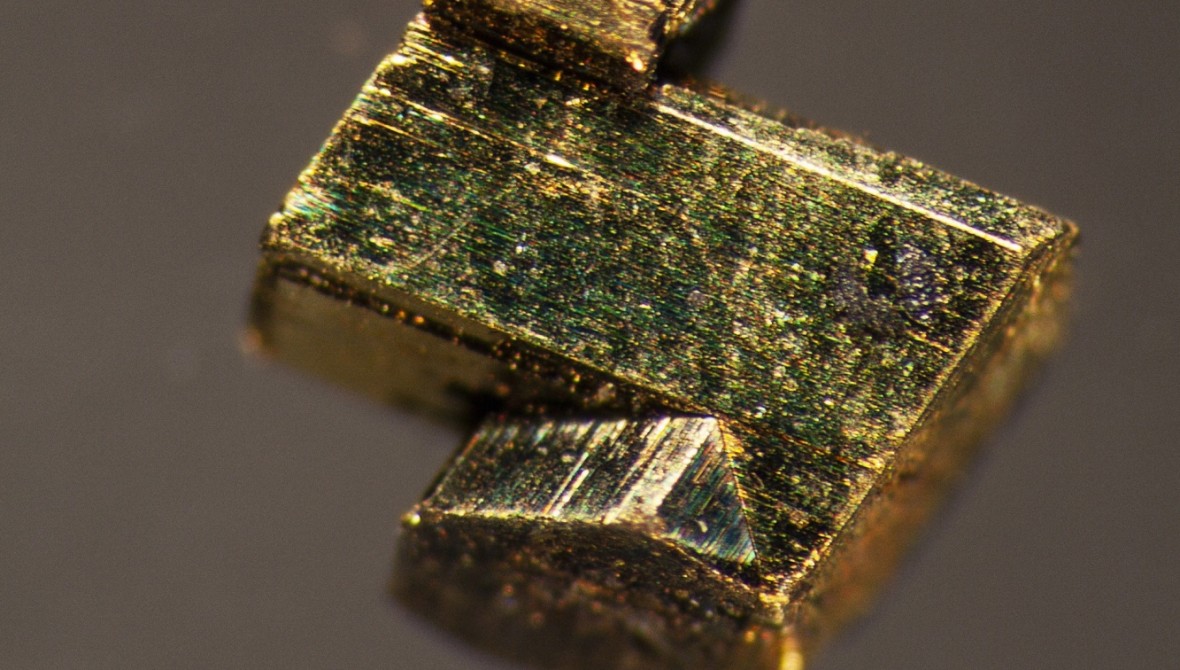
(Photo credit: Camila Sposati)
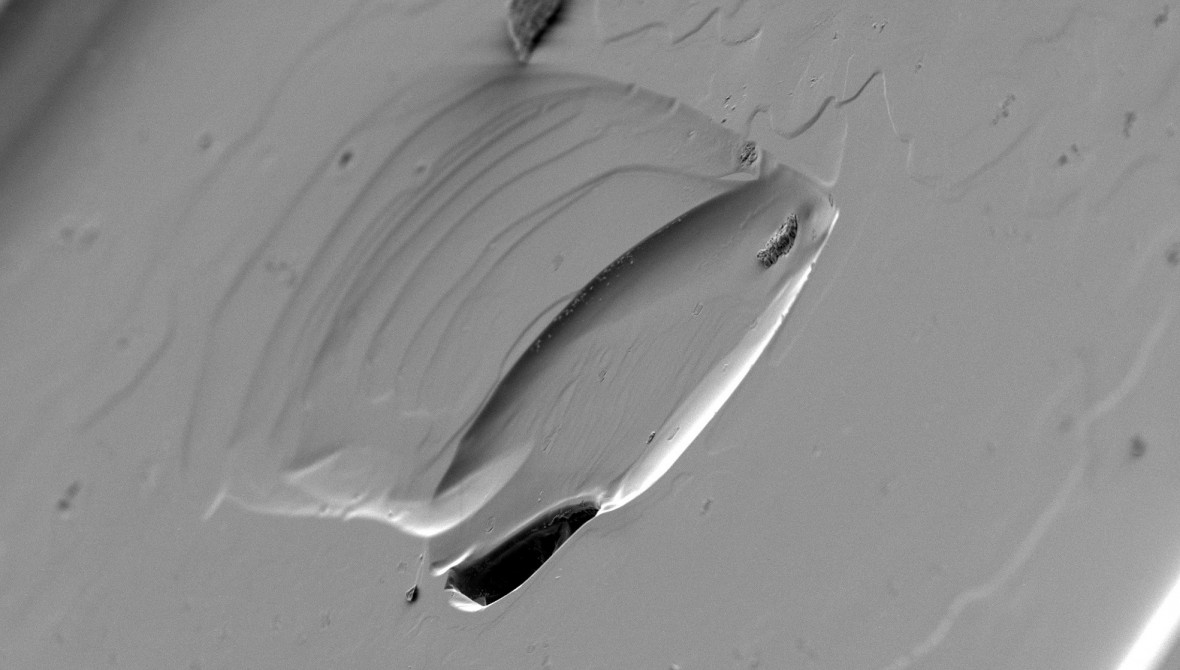
(Photo credit: Camila Sposati)
Camila Sposati investigates processes of creation and transformation, of the Earth, of elements, of energy, and the social and epistemological systems that shape our experiences of them. Using methods that often approach scientific research methodologies, Sposati examines social and geological systems from the micro to the macro, from the growth of crystals in controlled laboratories to the movement of the Earth’s crust.
During 2009, Radar invited Sposati to be an artist in residence at Loughborough University, when she worked with the Chemistry Department and the printing department in the School of Arts. During her residency, Sposati worked with Professor Sandie Dann to develop her understanding of and artistic practice around crystal growth processes, and investigate the process of entropy; the degree of randomness, order and disorder in chemical reactions.
As part of her residency Sposati also worked with Clive Cartwright at the British Geological Survey in Keyworth, Nottinghamshire and created the Global Cross-Section Map. The map ‘represents a generalised overview of the most significant features and discoveries known within the Earth’s crustal layer’. Sposati focused on the natural and non-exploitative geological features to reveal ‘positive points of energy’ on our planet.
Artist statement
The growth of a crystal takes place through a chemical reaction between salt compounds. This process began to have aesthetic resonance in my work during Summer 2009, Loughborough University - Department of Chemistry. From a theoretical point of view, the work also involved an understanding of the second law of thermodynamics, in relation to entropy, in the development of the growth of crystals and inorganic salts. The scale of the investigation was then oriented to contained, organized, transparent and silent energy. Crystal growth takes place in specific conditions of temperature and saturation, and sometimes pressure. My speculation concerning the transformative process of the solution begins with the initial moment of the transformation of the liquid into a solid – the emergence of crystal seeds called nucleation – followed by the process of the structuring of layers in which a solution, the mother liquor, feeds the growth.
Visit Camila Sposati's website